 JD-STEEL
Is Antique Stainless Steel Painted or Oxidized? A Comparison of Four Main Surface Treatments
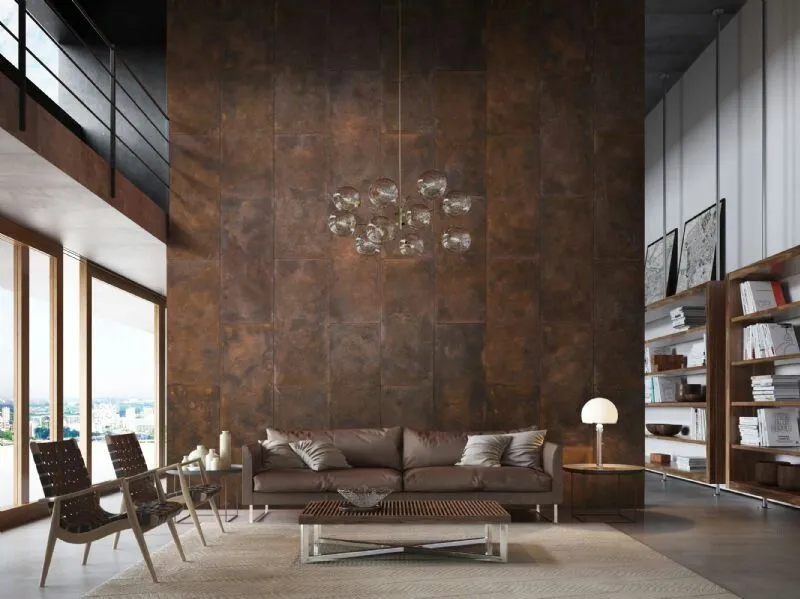
With the growing design trend toward cultural, historical, and vintage aesthetics, antique finish stainless steel has become increasingly popular in architectural decoration, commercial spaces, and exhibition venues. Many customers often ask:
– “Is the antique effect achieved by painting? Will it peel?”
– “How is the aged look, like antique copper or rust, created on stainless steel?”
– “Which surface treatment is more stable and textured?”
This article compares four mainstream antique stainless steel processing techniques based on their principles, pros and cons, and recommended applications, to help you make informed material decisions.
1. Painting / Powder Coating
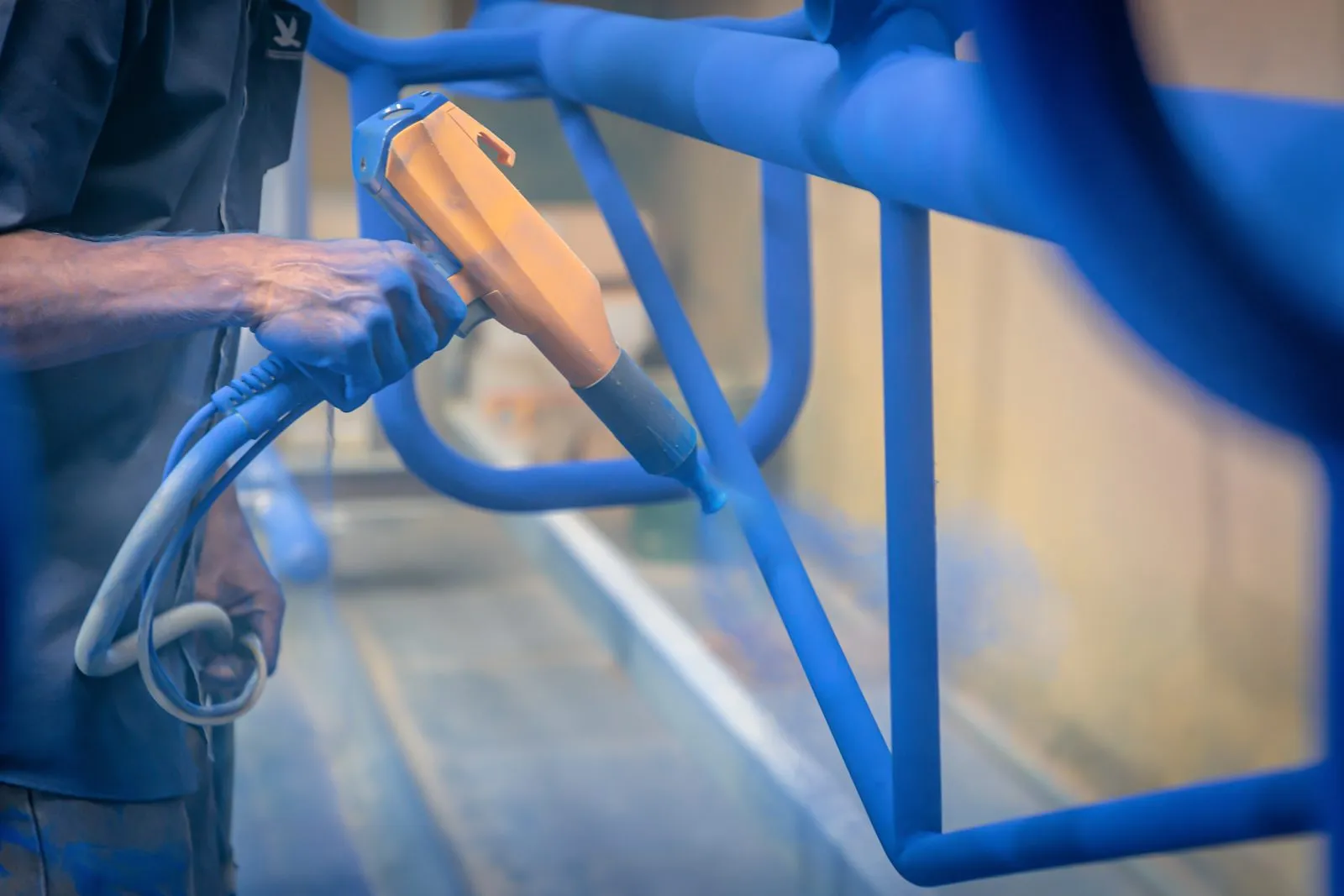
Principle:
Using electrostatic spray equipment, paint or powder is applied to the stainless steel surface and cured at high temperatures to form a colored coating with an aged tone. Common finishes include antique copper, bronze, and dark bronze.
Advantages:
– Simple process, low cost
– Customizable patterns (e.g., hammered, rust texture)
– Rich in color and flexible for customization
Disadvantages:
– Moderate adhesion, prone to peeling or scratching
– Covers natural metal texture, lacks authenticity
– Not suitable for outdoor or high-contact areas
Applications: Indoor decorative panels, art installations, temporary projects.
2. Chemical Oxidation
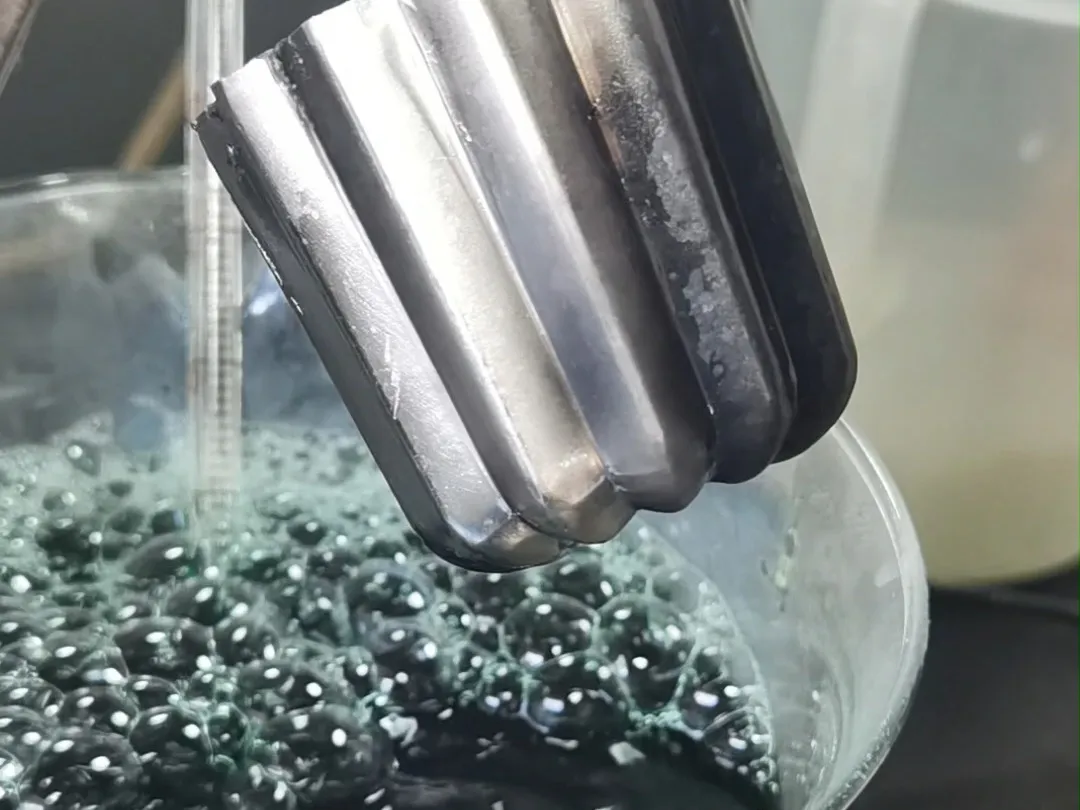
Principle:
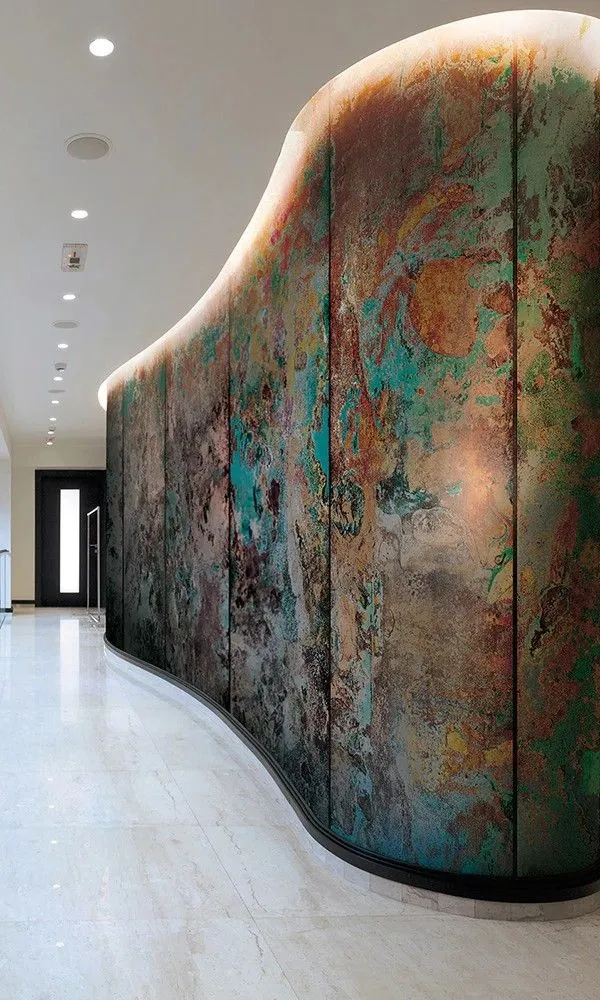
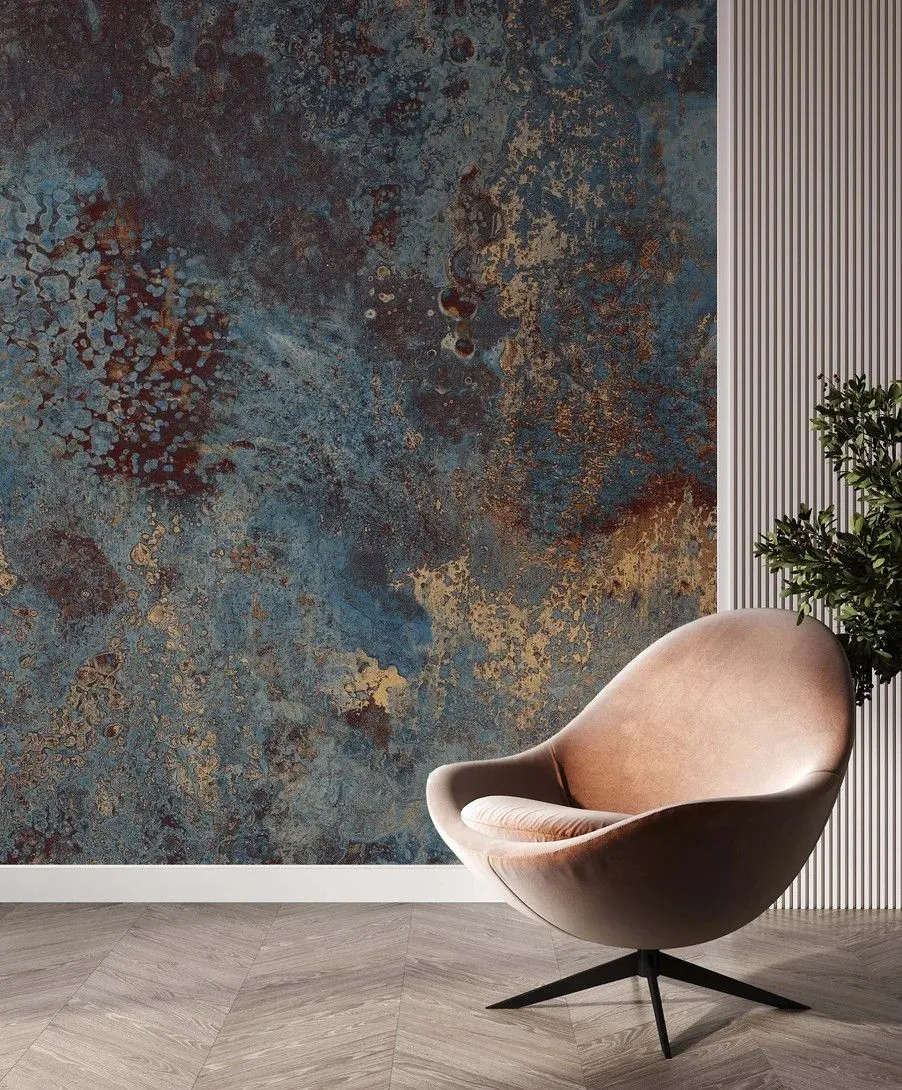
Chemical solutions are applied via soaking or spraying to oxidize the stainless steel surface, naturally creating irregular, vintage-like color patterns.
Advantages:
– Highly realistic antique effect
– Wide color variation
– Adjustable and layered results
Disadvantages:
– Higher cost
– Requires strict process control
– Inconsistent color for large batches
– Needs sealing treatment for surface stability
Applications: High-end commercial spaces, museums, art displays, custom furniture.
3. Brushed + Patina Finish
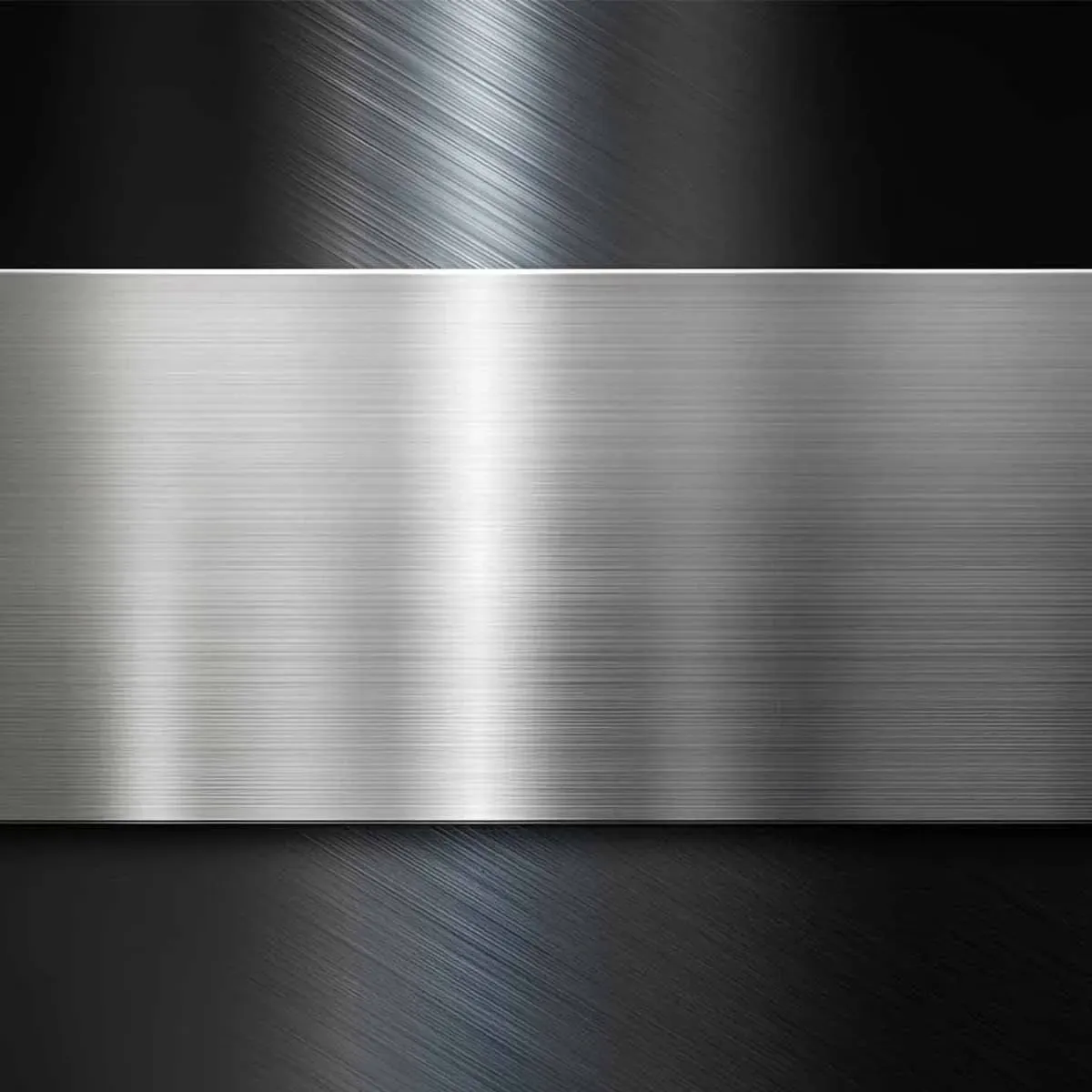
Principle:
The surface is first brushed to create horizontal or vertical grains, followed by color treatments like hand-brushing or immersion, allowing pigments to settle in the texture, giving a worn, aged appearance.
Advantages:
– Retains metal texture and grain
– Natural, layered color
– Good durability and tactile quality
Disadvantages:
– Limited color choices
– Labor-intensive and time-consuming
– Slightly higher cost than painting
Applications: High-end hotels, elevator panels, store facades, luxury spaces.
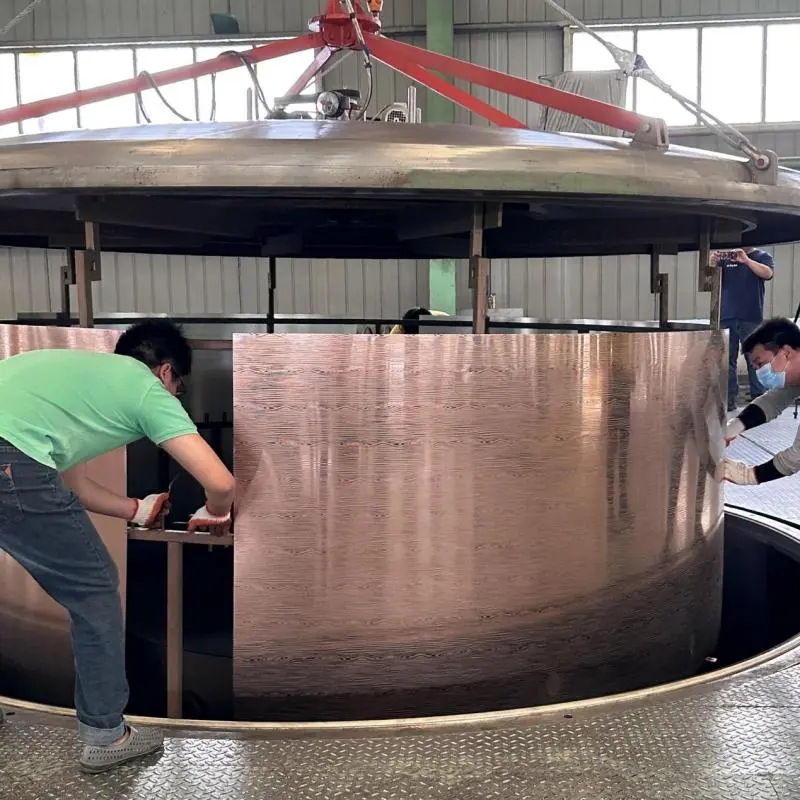
4. PVD Antique (Vacuum Coating + Brushing/Etching)
Principle:
PVD vacuum coating forms a metallic color layer, followed by brushing or etching for oxidation-like effects. Spot treatments or manual brushing can further enhance the antique appearance.
Advantages:
– Stable color, fade-resistant
– Can be combined with mirror, brushed, or ripple finishes
– Excellent corrosion resistance, ideal for outdoor use
– Suitable for mass production
Disadvantages:
– Most complex and expensive method
– Less color flexibility than chemical oxidation
– Not ideal for irregular rust-like finishes
Applications: Building facades, elevators, architectural cladding.
Summary Comparison:
– Painting: ★★ realistic, ★★ durable, low cost, suitable for short-term indoor use
– Chemical Oxidation: ★★★★★ realistic, ★★★ durable, high individuality, low consistency
– Brushed & Patina: ★★★★ realistic, ★★★★ durable, great for premium finishes
– PVD Antique: ★★★★ realistic, ★★★★★ durable, perfect for high-volume, demanding projects
Jasmine Stainless Steel Recommendation:
We offers a full range of antique finish options including brushed antique copper, etched black titanium, and PVD brushed coils. We support sample customization, drawing-based processing, and export packaging. Contact us to learn more.